The loss of hair normally occurs progressively. You can observe some thinning around temples, increased widening of the hair part, or increased hair loss than usual. It is even overlooked in the initial stages.
The thinning in the long run is more evident. Oils, shampoos, supplements, or home remedies have become the initial attempts of many people. Although they can be of immediate help, they rarely give lasting effects, particularly on those of pattern baldness.
In this case, one of the possible long-term solutions is a Hair transplant in Hinjewadi with the help of a doctor. In The AestheticHub, the business model is to learn more about the root cause and thereafter prescribe appropriately.
Hair fall may arise as a result of a number of causes, including genetics, stress, hormonal imbalance, lifestyle, and some medical issues.
Genetic pattern baldness is the most prevalent pattern that is presented in a hair restoration clinic in Hinjewadi. When one is in this state, the hair follicles will slowly become weaker, and they will cease producing strong hair.
When these follicles have fallen into inactivity, no measure can be taken to revive it permanently.
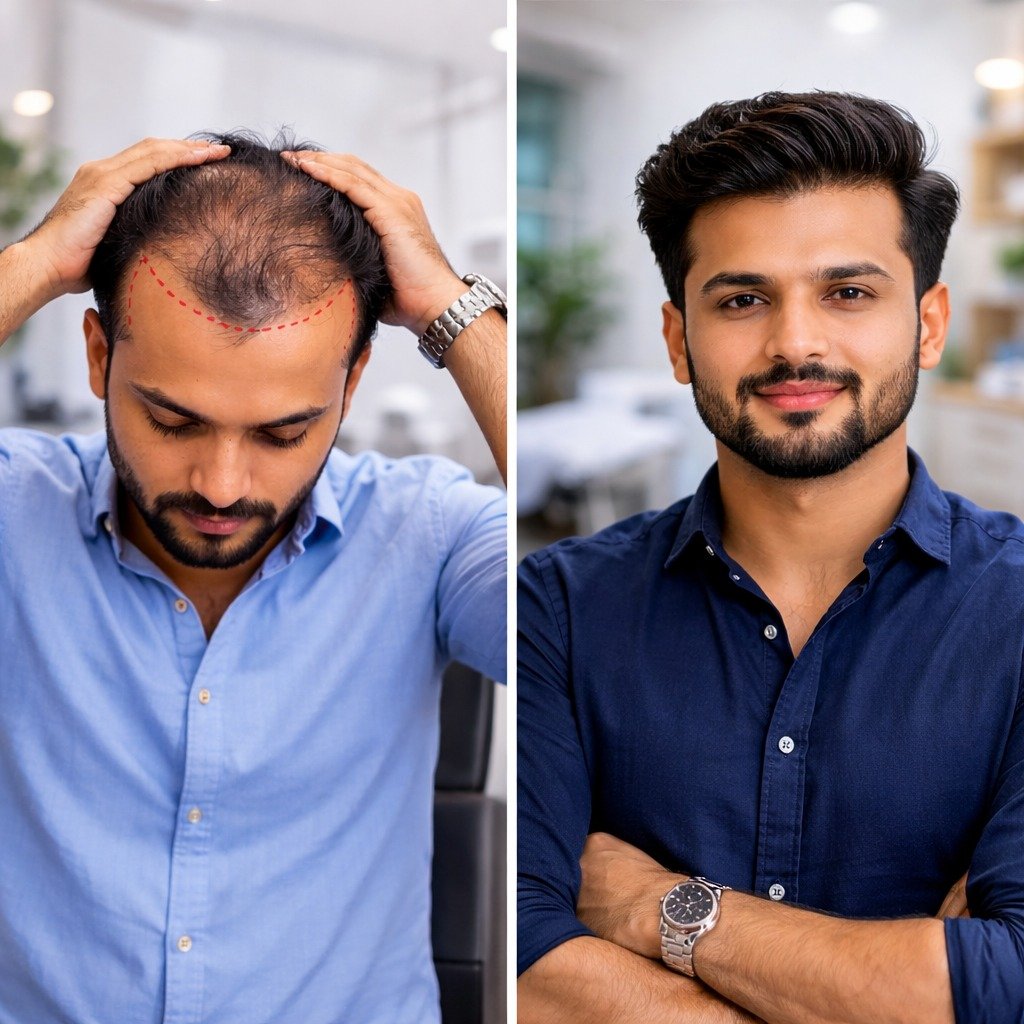
Hair transplant is not artificial hair or a temporary solution. It is a simple surgical operation in which healthy hair follicles are removed from the bottom or sides of the head and transferred to places with thinning hair.
As the transplanted follicles are made out of your own, they do grow naturally on their own. This is the reason why most people choose a permanent hair transplant in Hinjewadi whenever they want to get a permanent outcome.
Hair transplant is an operation that needs to be planned, rather than performed.
This includes:
In The AestheticHub, all the patients would be analyzed by a hair transplant surgeon .
who would examine:
When performed correctly, hair transplantation can offer long-term benefits:
Not every situation necessitates urgent surgery. Medical intervention can normally deal with the loss of hair in its initial stages.
At The AestheticHub, hair loss treatment in Hinjewadi may include:
Such a moderate position will make sure that surgery is not suggested when it is not needed.
The clinic selection is significant towards realizing safe and natural outcomes.
At The AestheticHub, patients receive care at a trusted Best Hair Transplant Clinic in Hinjewadi, where the focus remains on:
This approach has helped many individuals explore options for the best hair transplant in Hinjewadi with confidence.
Frequently, minimal swelling or redness can persist for several days following the procedure. The majority of people will be able to resume normal operations in the near future.
Hair growth is gradual. First, the hair transplant might fall off, and this is among the normal occurrences during the process. The following months give rise to new hair growth.
With time, the thickening process becomes better, and the end results are made naturally.
A hair transplant can be appropriate for people who:
A consultation will be used in trying to establish which is more appropriate, both surgical and non-surgical.
Our advice is to first consult an expert in case of hair thinning, or if you want to treat it with something.
Patients at The AestheticHub are taken to a reputable hair restoration clinic in Hinjewadi, where they are given a safe treatment with long-term outcomes.
Having tried first solutions or having some permanent approach, the correct choice can guide you toward making the right decision and taking a step in the right direction.